In recent years, the self-storage industry has garnered significant attention from investors seeking stable returns and long-term growth opportunities. With its resilience to economic fluctuations and steady demand for storage space, self-storage has emerged as a compelling investment option in the real estate market. However, as with any investment, it’s crucial to evaluate whether self-storage remains a viable and lucrative asset in today’s market landscape. In this article, we’ll delve into the question: Is self storage still a good investment? We’ll analyze data from the North American market over the past three years to provide insights into the industry’s performance, trends, and outlook.
1. Industry Overview:
The self-storage industry in North America has experienced steady growth over the past decade, driven by factors such as population growth, urbanization, and changing consumer behaviors. According to market research firm IBISWorld, the self-storage industry in the United States alone generated approximately $41 billion in revenue in 2021, with an annual growth rate of 2.7% from 2016 to 2021. Similarly, the Canadian self-storage market has seen expansion, fueled by urbanization and increasing demand for storage solutions in metropolitan areas.
2. Market Trends:
Analyzing data from the past three years reveals several key trends shaping the North American self-storage market:
Tech Integration: Self-storage operators are increasingly leveraging technology to enhance customer experience and operational efficiency. Features such as online booking platforms, automated access control systems, and digital payment options have become standard offerings in the industry, catering to tech-savvy consumers and streamlining facility management.
Climate-Controlled Units: Demand for climate-controlled storage units has been on the rise, driven by the need to protect sensitive items such as electronics, artwork, and documents from temperature fluctuations and humidity. As a result, many self-storage facilities have expanded their offerings to include climate-controlled units, attracting customers with specialized storage needs.
Urban Development: With rapid urbanization and limited space in densely populated cities, self-storage facilities are increasingly being integrated into mixed-use developments and urban renewal projects. Developers are repurposing underutilized land and incorporating self-storage components into residential, commercial, and retail complexes, capitalizing on the growing demand for convenient storage solutions in urban areas.
3. Performance Metrics:
Analyzing performance metrics such as occupancy rates, rental rates, and revenue growth provides insights into the financial health of the self-storage industry:
Occupancy Rates: Despite fluctuations in economic conditions, occupancy rates in the self-storage industry have remained relatively stable, reflecting consistent demand for storage space. According to data from the National Self Storage Association (NSSA), average occupancy rates in North America have hovered around 85% to 90% over the past three years, indicating strong utilization of existing storage facilities.
Rental Rates: Rental rates for self-storage units have shown resilience in the face of economic downturns, with modest but consistent growth observed in recent years. While rental rate increases vary by market, data from industry reports suggest an average annual rental rate growth of 2% to 3% across North America from 2019 to 2021.
Revenue Growth: Despite challenges posed by the COVID-19 pandemic, the self-storage industry has demonstrated resilience, with many operators reporting stable or growing revenue streams. While there may have been temporary fluctuations in revenue due to factors such as lockdowns and economic uncertainty, the long-term outlook for the industry remains positive, driven by underlying demand fundamentals.
4. Outlook and Considerations:
Looking ahead, the outlook for the self-storage industry in North America appears favorable, supported by continued population growth, urbanization, and evolving consumer preferences. However, investors should consider several factors when evaluating self-storage as an investment:
Market Dynamics: Local market conditions can vary significantly, with factors such as population density, competition, and supply-demand dynamics influencing the performance of self-storage properties. Conducting thorough market research and due diligence is essential to identify promising investment opportunities.
Risk Management: Like any real estate investment, self-storage carries inherent risks, including economic downturns, regulatory changes, and unforeseen market disruptions. Investors should diversify their portfolios, maintain adequate reserves, and implement risk mitigation strategies to safeguard their investments against potential challenges.
Long-Term Demand: While short-term market fluctuations may occur, the long-term demand for self-storage remains robust, driven by societal trends such as urbanization, downsizing, and the rise of e-commerce. Investors with a long-term investment horizon can capitalize on the steady and growing demand for storage space across North America.
In conclusion, the data analysis of the self-storage industry in the North American market over the past three years indicates that self storage remains a good investment opportunity for investors seeking stable returns and long-term growth potential. Despite challenges and uncertainties, the industry has demonstrated resilience and adaptability, positioning it as a viable asset class in today’s investment landscape. By staying informed, conducting thorough due diligence, and leveraging market insights, investors can capitalize on the opportunities offered by the self-storage sector and achieve their investment objectives.
Do you think it is too difficult?
Market Research and Analysis:
Identify Demand: Conduct thorough market research to identify areas with high demand for self-storage solutions. Look for locations with growing populations, residential development, and commercial activity.
Assess Competition: Analyze the competitive landscape to understand the existing self-storage facilities in your target market. Evaluate their offerings, pricing, and occupancy rates to identify gaps or opportunities for differentiation.
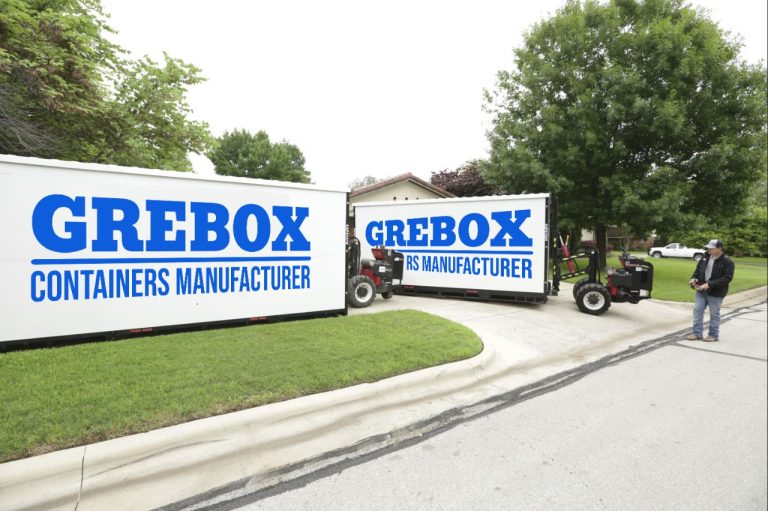
Evaluate Feasibility: Determine the feasibility of using portable storage containers in your target market. Assess factors such as land availability, zoning regulations, and consumer preferences to ensure that portable storage is a viable option for meeting demand.
Acquisition of Greevel Storage Containers:
Source Suppliers: Research and identify reputable suppliers or manufacturers of portable storage containers. Compare pricing, quality, and delivery options to select the best provider for your needs.
Determine Quantity and Size: Determine the number and size of storage containers needed based on market demand and available space. Consider offering a range of container sizes to accommodate different storage needs and maximize utilization.
Negotiate Terms: Negotiate pricing, terms, and delivery logistics with the supplier to ensure a favorable arrangement. Consider factors such as bulk discounts, delivery timelines, and warranty provisions to optimize your investment.
Site Selection and Preparation:
Identify Storage Site: Identify suitable locations for storing and managing your inventory of storage containers. Look for sites with convenient access, security features, and proximity to target customers.
Prepare Site Infrastructure: Prepare the selected site by installing necessary infrastructure such as fencing, lighting, and security features. Ensure compliance with local zoning regulations and obtain any required permits or approvals.
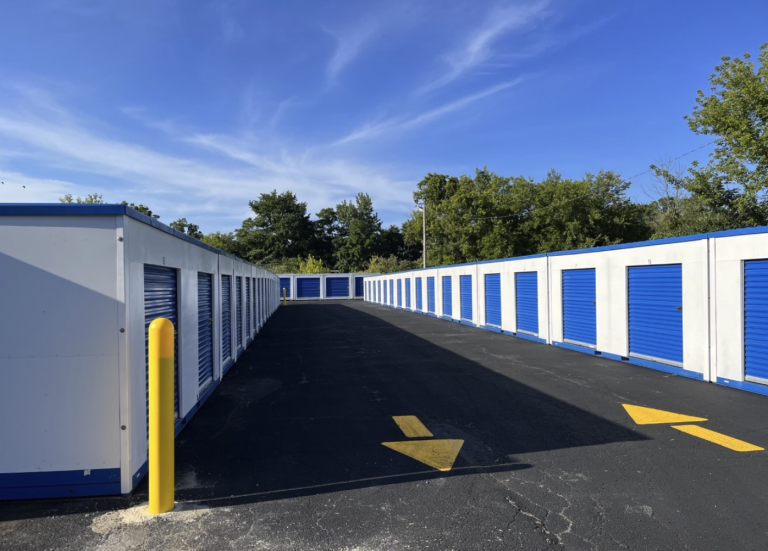
Optimize Layout: Optimize the layout of the storage site to maximize efficiency and accessibility. Consider factors such as container placement, vehicle maneuverability, and customer traffic flow to enhance operational effectiveness.
By focusing on these key steps, you can efficiently leverage portable storage containers for a quick investment in a self-storage business. Conducting thorough market research, acquiring quality storage containers, and preparing an optimal storage site are essential components of a successful investment strategy.
About Greevel
Fundamentally, Greevel handles business with a hands-on attitude that permeates everything we do. We pick up the phone when we need to talk. We provide a product demo when there are inquiries. We give it a try when we are attracted by something new. We assist team members when they ask for it. We lend our resources when our community needs it. Anything is achievable with compassion and creative ways of “thinking outside of the box”. That’s our core values.
Greevel is founded on the purpose of happy work. Tacit team and sustainable work environment build a strong business model. We are devoted to nurturing every relationship in order to achieve the desired company culture. Customers, partners, vendors, and non-profits are a few examples of this. Portable storage containers and the relevant parts are some of the products we provide.
Greevel units can help you expand your revenue-generating space with portable containers for storage, movable storage units, mobile storage units for sale,i units n a variety of sizes, including our 8*8ft, 8*12ft, 8*16ft and 8*20ft units. Our portable storage containers are mobile, flexible, stackable, and versatile. Greevel is always here to ensure our products help you accomplish your business goals.