
Products
Six mesh types, made in one plant
Every product we make is one of six woven or assembled metal types. They differ in how the wire is joined — crimped and woven, coiled and cross-linked, or cabled and ferruled — and that difference decides how the material behaves: whether it holds a flat plane, drapes, or disappears into a barrier.
Sheets are made to your opening or panel size rather than cut from a stock sheet, so the specification conversation is about the weave, the alloy and the fixing rather than about a catalogue number. Where the same brief could be met by two types, each page says what would make you choose between them.
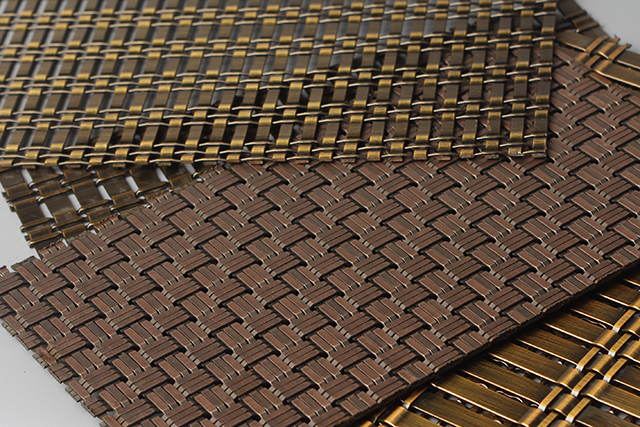
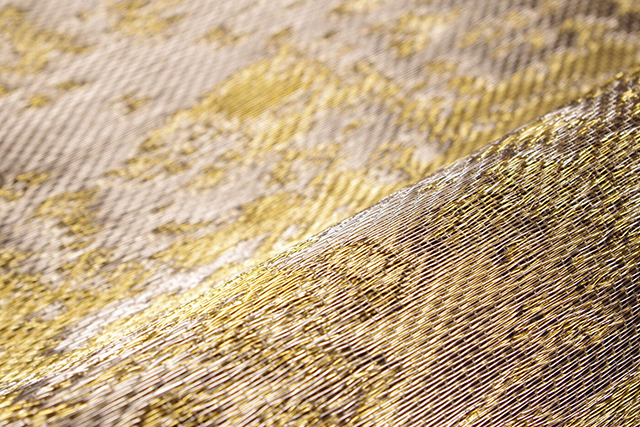
Woven metal fabric
Copper wire mesh can be used for wall decoration and metal partitions.
Learn more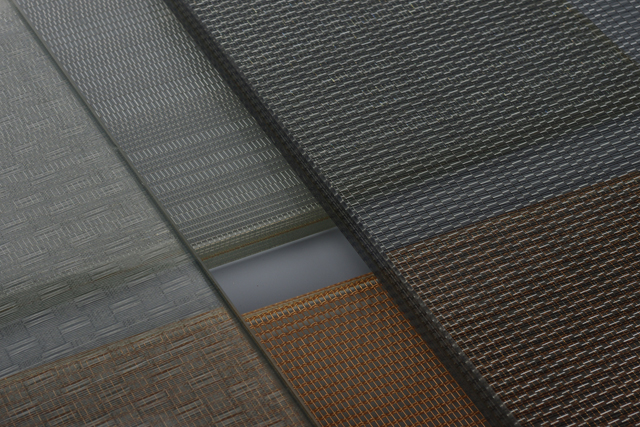
How to choose the right mesh
Start from how the material has to behave. In every case the construction, not the pattern, is what decides the application.
Type
Construction
Best when
Typical wire or cable
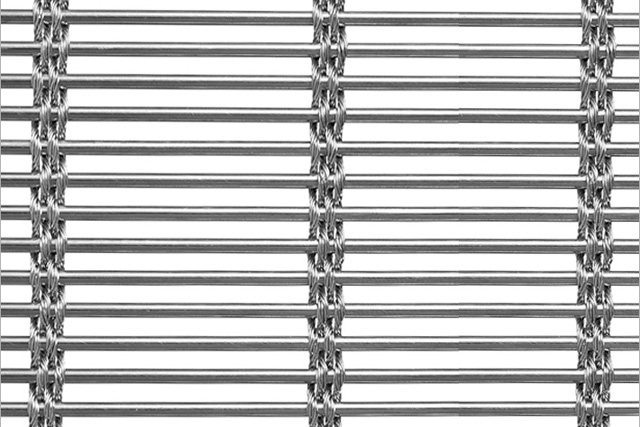
Architectural woven mesh
Crimped wire, woven into rigid panels
The surface must hold a flat plane
1.0 – 4.0 mm wire
Woven metal fabric
Fine crimped wire, flexible sheet
The surface must drape or curve
0.5 – 2.0 mm wire
Laminated glass mesh
Mesh interlayer between glass plies
The pattern must be protected behind glass
Set by the lamination
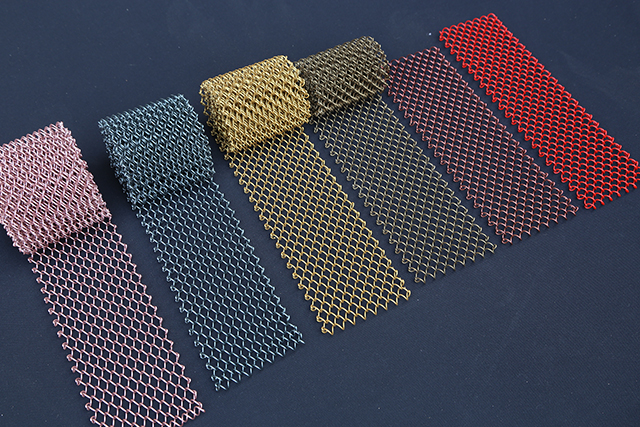
Metal coil drapery
Coiled links, cross-linked
It must fold, open and stay transparent
1.0 – 2.0 mm wire
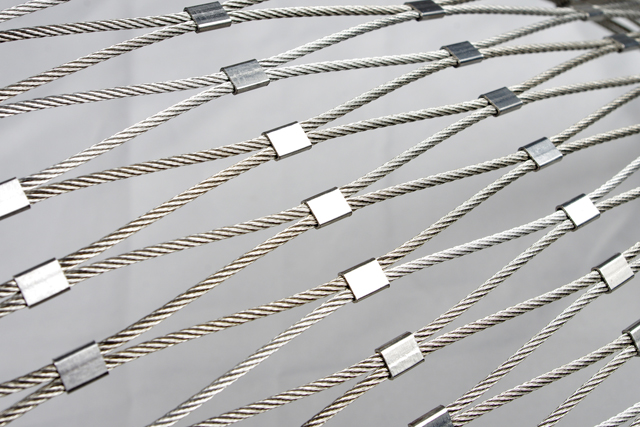
Stainless steel rope mesh
Cable net with ferrules or sleeveless weave
Strength with almost no visual weight
1.2 – 4.0 mm cable
Woven wire drapery
Crimped cloth, heat-set
It must hang in soft pleats
0.5 – 1.5 mm wire
The one question that decides most projects: does the sheet have to hold a line, or follow one? Rigid panels hold; fabric, drapery and coil follow. Everything else — alloy, finish, aperture — is chosen after that.
Specifications, samples and documents
Each product page carries the same four things, so a specification can be written from it without another phone call:
• A specification table — material, wire or cable, aperture, weight and panel size, with a column explaining what each value changes.
• Materials and finishes — which alloy for which exposure, and the cases where a finish should be avoided.
• A comparison — what the type is being chosen against, and the rule of thumb that settles it.
• Installation and FAQ — the fixing systems, the load they put on the structure, and the questions buyers actually ask.
Free A4 samples are sent before production. Minimum order and lead time are confirmed per type at quotation, because they depend on the weave and the finish rather than on area alone.
Not sure which type?
Send the opening and the environment
Tell us the size, where it is going and what it has to do — hold a line, fold, or protect. We will name the type, the alloy and the fixing, and send a sample before anything is drawn.
Sales: sales@decorwiremesh.com · Reply within one working day · Setting-out drawings with every order.