
Applications
Where architectural metal mesh is used
The same six mesh types solve very different problems depending on where they are used. Each application page starts from the constraint that decides the specification — sightlines, load case, fire strategy, or how the services above a ceiling are reached — and then points to the mesh that fits.
Six mesh types are made in one plant — coil drapery, woven wire drapery, rigid woven mesh, metal fabric, laminated glass mesh and rope mesh — so an application can be solved with the right one rather than the one that happens to be in stock. Where two types would work, the page says so and explains what would make you choose between them.
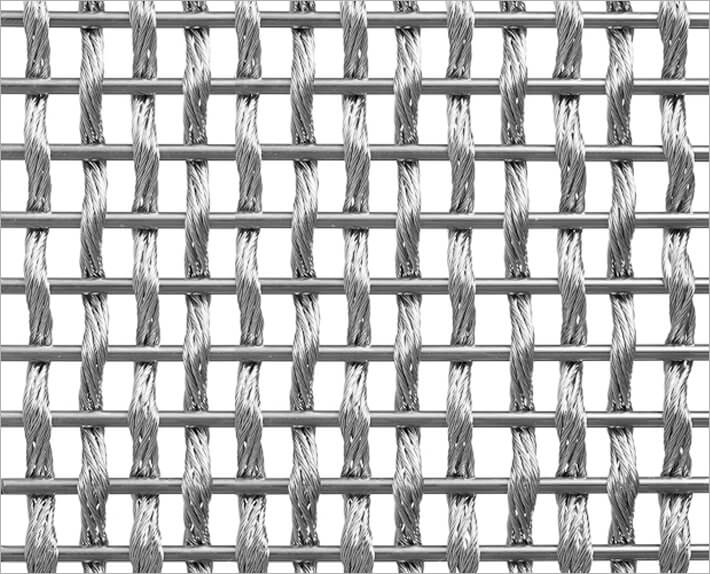
Partition & screen
Room dividers, lobby screens and elevator surrounds — a boundary that keeps the space daylit. Deciding factor: does it have to open?
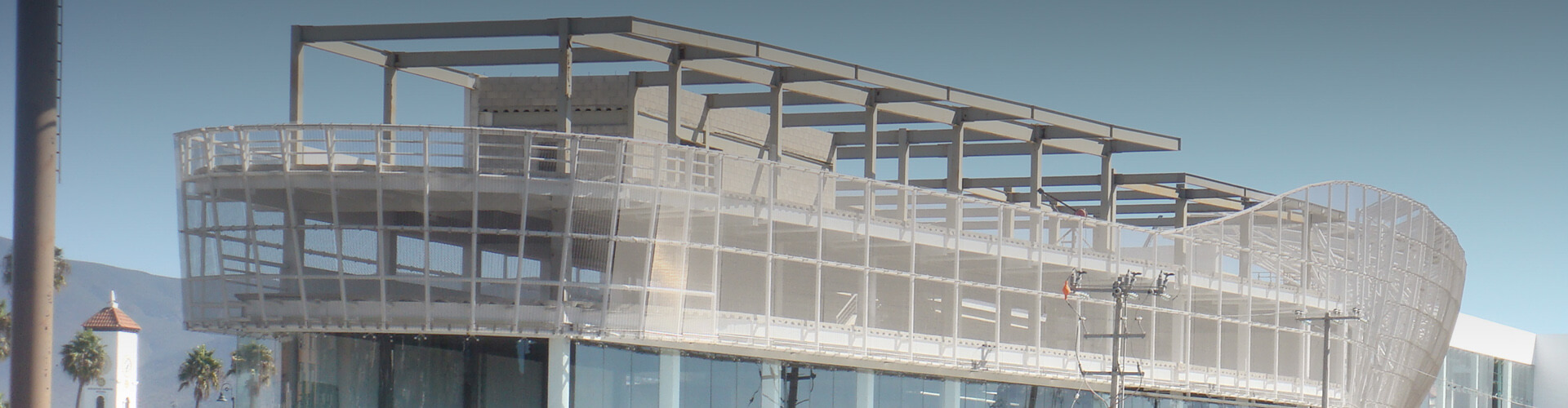
Wall covering
Interior feature walls and exterior screens over a drained cavity. Deciding factor: inside or outside.
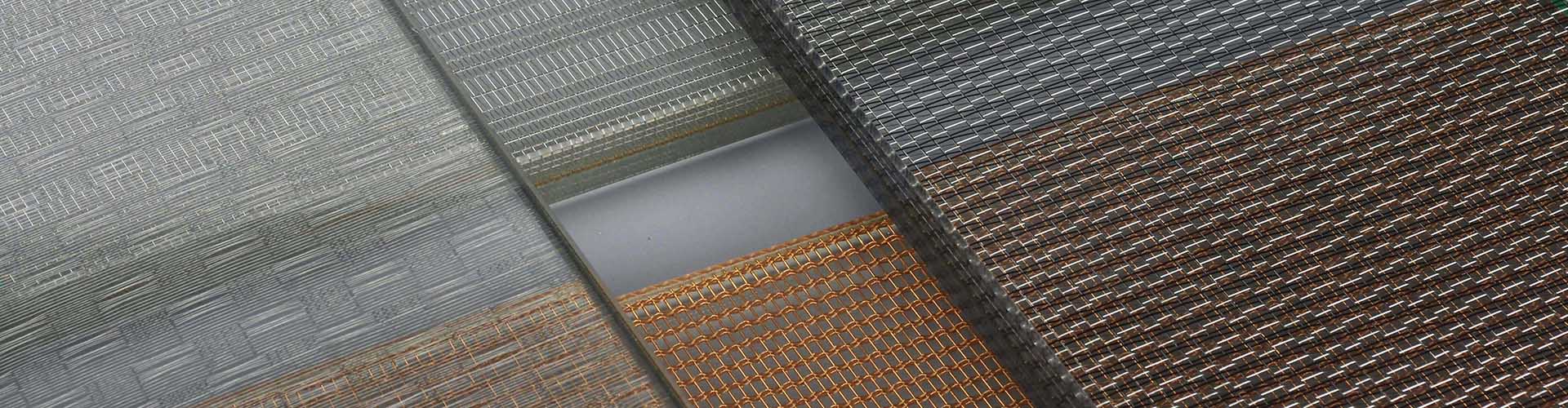
Laminated glass interlayer
Mesh bonded inside the glass for balustrades, floors and doors. Deciding factor: who laminates.
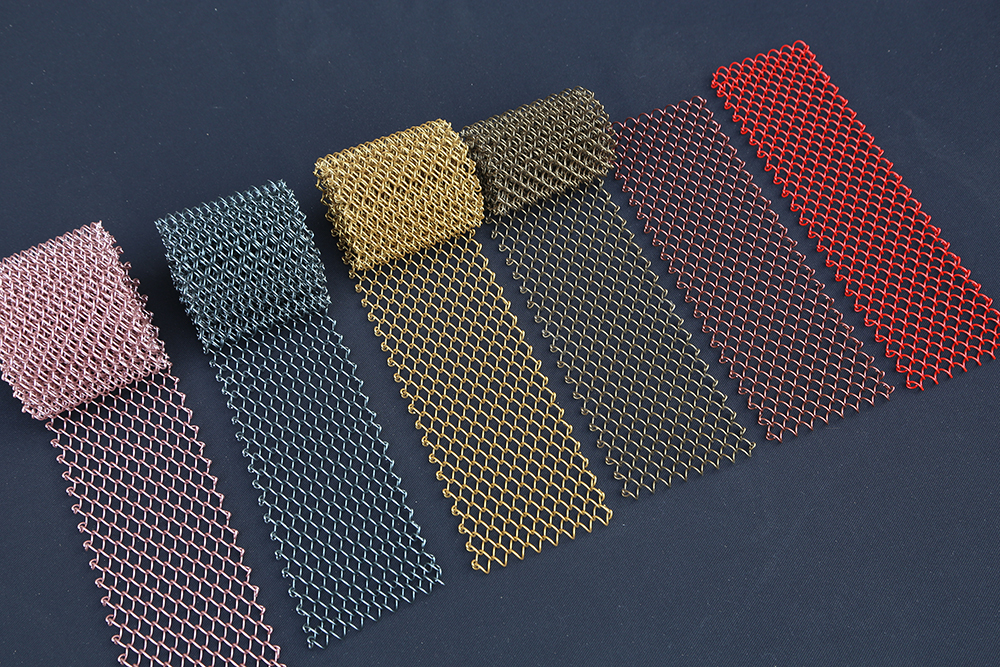
Interior design
Feature walls, ceilings, joinery and backlit panels. Deciding factor: the sample and the light, not the data sheet.
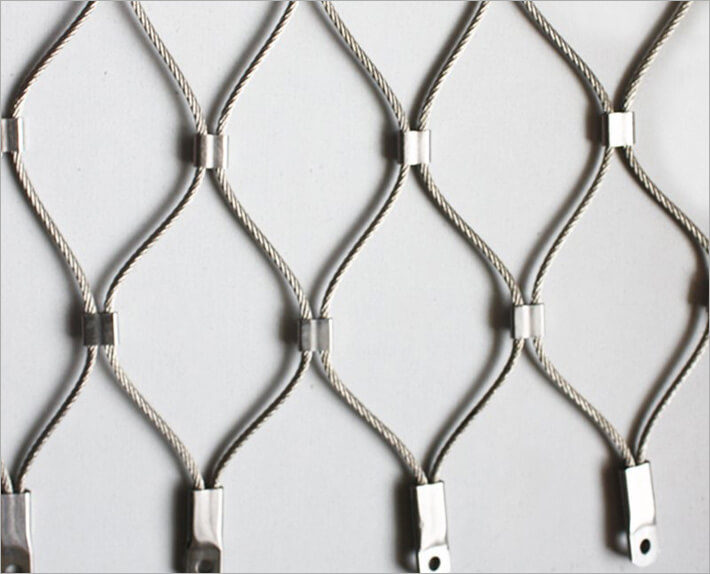
Safety & security
Balustrades, void protection, enclosures and guarding. Deciding factor: the load case and the permitted deflection.
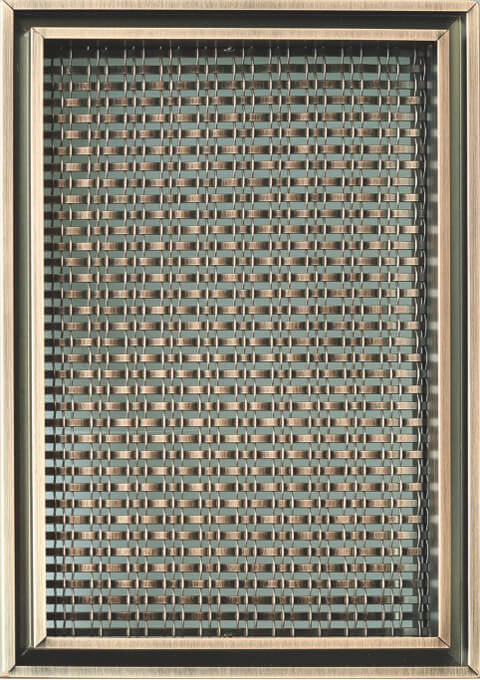
Metal fabric ceilings
Cassette, raft or veil ceilings that hide services without closing the space. Deciding factor: how services are reached.
How to choose
If the brief is still open, these are the questions that narrow it fastest. In every case the deciding factor, not the mesh name, is what should be written on the specification.
| Application | Mesh that usually fits | The deciding factor |
|---|---|---|
| Partition & screen | Coil drapery or woven wire drapery | Does it have to open, and how private must it be |
| Wall covering | Rigid woven panels | Interior or exterior, and what carries the weather |
| Laminated glass | Mesh interlayer inside the glass | Which processor laminates, and the glass build-up |
| Interior design | Any of the three, chosen on finish | Light, colour stability, and whether it is touched |
| Safety & security | Rope mesh | The load case and the permitted deflection |
| Ceilings | Woven metal fabric | Service access and sprinkler coverage |
One rule that saves projects: decide the fixing before the pattern. Track or frame, cassette or raft — the edge detail follows the fixing, and it is the detail that turns a sample into an installation.
Samples, drawings and lead times
Every application page works the same way: approve a physical sample, confirm the fixing and the opening, then production starts. Setting-out drawings ship with the order and the material test report with the documents.
If it helps, send a photograph of the space and the opening size first. We will tell you which of the six is worth pursuing before anyone spends time on a drawing.
- What decides the brief — the four questions that narrow the specification before anything is priced.
- The systems that fit — each linked to the mesh type it uses, with the reason it suits that space.
- Constraint to approach — what the space demands, what we would do, and what it costs elsewhere.
- Detailing, sequence and documents — the fixing detail, the order of work on site, and what arrives with the delivery.
Not sure which application fits?
Send a photo and an opening size
We will tell you which mesh type and which fixing the space actually needs — and send a sample before anything is drawn.
Sales: sales@decorwiremesh.com · Reply within one working day · Setting-out drawings with every order.